Discover why xeriscaping is gaining momentum a clever, green landscaping approach in Burbank, California. This guide explores its benefits, climate suitability, practical design techniques, and local patterns to help homeowners and landscapers assess whether xeriscaping meets their needs.
Understanding Xeriscaping
Xeriscaping is a landscaping technique based on saving water by using drought-tolerant plants and water-saving irrigation techniques. Rooted in seven core principles, xeriscaping prioritizes soil improvement, plant selection suited for dry conditions, minimal turf areas, mulching, efficient watering systems, and proper maintenance. This water-conserving gardening approach lowers the need for supplemental irrigation while offering visually appealing outdoor spaces.
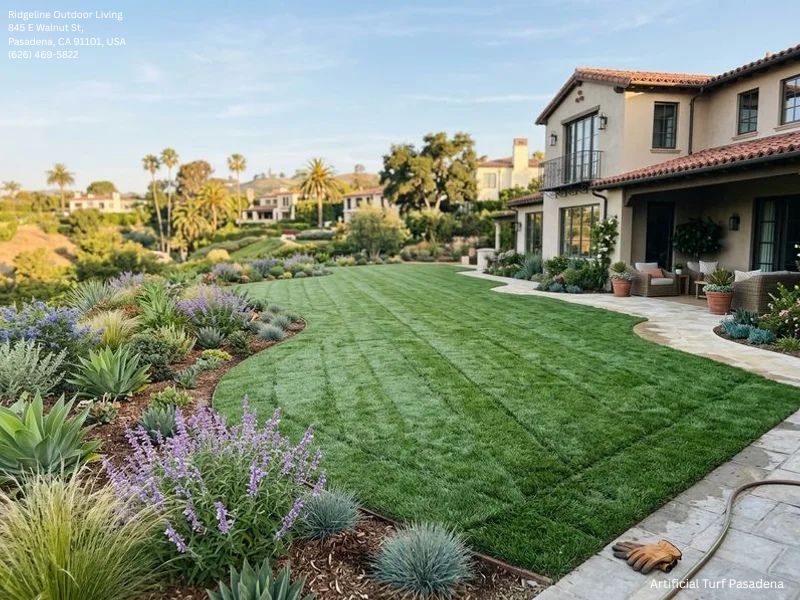
By valuing drought tolerance and sustainability, xeriscaping complements California’s efforts to respond to persistent water shortages and climate variability. It employs native and xerophytic plants — species naturally adapted to survive with low moisture — making gardens resilient against prolonged dry spells.
Reasons for Xeriscaping's Popularity in Burbank, CA 91505
Burbank's semi-arid Mediterranean climate with hot summers and mild winters demands landscaping that can prosper with less water. Water conservation has become a top priority as California faces frequent droughts and regulatory water restrictions. Xeriscaping provides an eco-friendly solution that supports residents adhere to city and state mandates while cutting utility costs.
Local environmental awareness and sustainability initiatives also increase xeriscaping’s popularity among both homeowners and commercial property managers. The focus on drought-resistant landscaping aids protect limited water resources, decreases energy consumption by cutting down irrigation needs, and enhances urban biodiversity by encouraging native plant growth.
In recent years, many Burbank residents have adopted xeriscaping not only for its ecological benefits but also for its aesthetic versatility, blending modern design with desert-inspired themes. The approach promotes community goals for sustainable landscaping and environmental stewardship.
Climate and Earth Aspects for Xeriscaping in Burbank
Burbank’s environment, marked by lengthy dry spells and sparse precipitation, requires specific soil and botanical elements for effective xeriscaping. The soil commonly is granular or clay-heavy with fluctuating nutrient levels, often calling for amendments to boost moisture retention.
Prior to planting, soil preparation entails testing pH levels and texture to choose adequate amendments such as organic compost or gypsum. These boost aeration, nutrient content, and water-holding capacity—crucial to supporting drought-adapted plants.
Plants opted for must endure direct solar radiation, heat, and infrequent watering schedules. Xerophytes, native Southern California flora, and other desert plants inherently adapted to these conditions perform best. Examples include California sagebrush, manzanita, succulents, and ornamental grasses, all forming a resilient garden ecosystem.
Key Components of Xeriscaping Landscape Design
Plant Selection and Native Landscaping
- Water-saving plants such as lavender, agave, and yucca reduce water dependency.Fire-resilient species like California lilac lessen wildfire risks frequent in Southern California.Xerophytes grow well naturally in arid environments, conserving water economically.Native landscaping promotes local biodiversity and adapts well to regional pests and diseases.Outdoor plants chosen emphasize seasonal color variation without high maintenance.
Water Management Techniques
- Drip irrigation directs water directly to roots, reducing waste and evaporation.Smart irrigation controllers modify watering schedules based on weather and soil moisture.Compliance with local water restrictions guarantees efficient water use and legal adherence.Stormwater management strategies channel rain runoff for garden use.Greywater irrigation recycles household water, continuing to lessen potable water consumption.
Mulching and Soil Management
- Proper mulch types, such as wood chips or gravel, hold soil moisture and reduce weed growth.Mulching regulates soil temperature, shielding root systems during extreme heat.Soil amendment techniques enhance drainage and nutrient levels ideal for xeric plants.
Benefits of Xeriscaping in Burbank
Water conservation remains the primary benefit, often reducing landscape water usage by up to 50-75%, important in drought-prone areas like Burbank. This notable savings decreases monthly water bills for homeowners and eases strain on municipal water supplies.
Energy savings emerge since xeriscaping decreases the need for water pumping and treatment. Additionally, lessened lawn areas lessen mowing and maintenance, lowering fuel and emissions.
Landscapes designed with drought-resistant plants are naturally more sustainable and resilient to heatwaves, supporting healthier plant life year-round. Environmentally, this approach aids pollinators and native wildlife by replicating natural habitats.
Common Challenges and How to Overcome Them
While xeriscaping delivers many advantages, some challenges involve initial soil preparation, weed control, and educating residents on maintenance techniques. Weeds grow aggressively when soil is disturbed, so using pre-emergent herbicides and thick mulching proves effective.
Some homeowners may encounter aesthetic concerns about shifting from lush green lawns. Tackling this involves creative hardscaping, hardscaping tips pathways, and mixed plant palettes to design visually appealing, diverse environments.
Regular maintenance practices such as pruning, occasional irrigation adjustments, and debris removal ensure xeriscape gardens thriving. Collaborating with professionals expert in xeriscaping speeds up project success and reduces common pitfalls.
Trends and Innovations in Xeriscaping and Sustainable Landscaping in Urban Areas
Urban landscapes in Burbank increasingly incorporate xeriscaping with hardscaping elements like stone patios, permeable pavements, and decorative boulders, merging functionality with style. Outdoor living spaces integrate seamlessly into xeriscaped yards, enhancing usability and aesthetic appeal.
Advancements feature automated irrigation systems coupled with soil moisture sensors, providing accurate water delivery. Garden designs combine native wildflowers and pollinator-friendly plants to improve ecological health.
Landscape renovations focus on converting traditional lawns to xeriscape gardens applying incentives and emphasizing sustainability without compromising curb appeal.
Local Burbank Regulations and Incentives for Xeriscaping
Burbank enforces water use regulations encouraging drought-tolerant landscaping through required water-efficient ordinances. Homeowners must follow restrictions maximizing outdoor watering days and times.
The city and water agencies offer rebates for establishing approved xeriscape landscapes, featuring incentives for exchanging turf with native plants or efficient irrigation systems. Compliance with building and zoning codes ensures landscapes satisfy environmental and aesthetic standards.
These programs promote community-wide water savings and adhere to California’s statewide drought response strategies.
Case Studies of Successful Xeriscaping Projects in Burbank
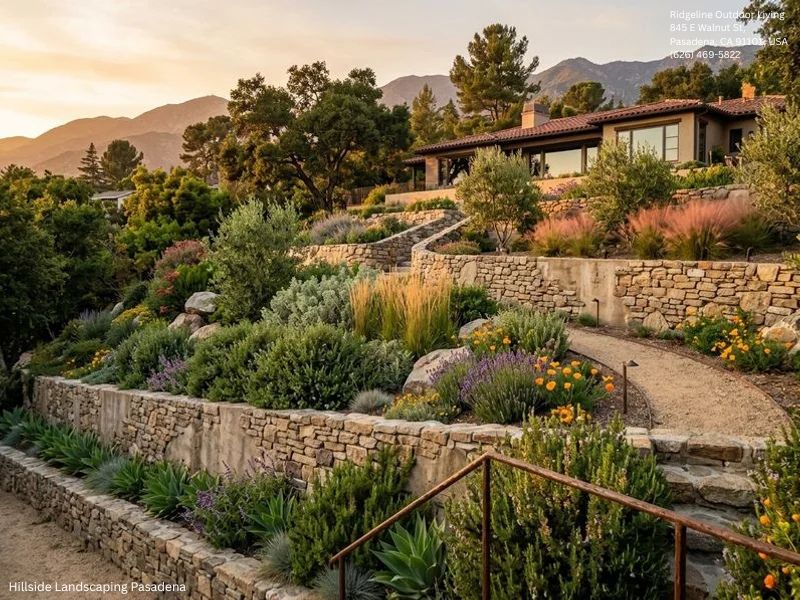
Numerous local homeowners have changed traditional yards into thriving xeriscape gardens, reporting significant reductions in water usage and maintenance. Landscape companies feature portfolios including native plant groupings, drip irrigated beds, and artistic rock installations.
Testimonials show improved garden resilience during dry spells and enhanced property aesthetics, encouraging others in the community to consider similar approaches.
How to Start a Xeriscaping Project Step-by-Step in Burbank
- Site Assessment: Analyze sun exposure, soil conditions, drainage, and existing vegetation. Soil Testing: Conduct laboratory analysis to establish soil type and nutrient amendments needed. Plant Sourcing: Select native and drought-resistant plants recommended for Burbank’s climate. Irrigation Installation: Implement drip irrigation or greywater systems for optimal watering. Maintenance Planning: Schedule regular cutting, mulch replenishment, and irrigation tuning.
Frequently Asked Questions On Xeriscaping in Burbank, CA 91505
Is xeriscaping suitable for every yard in Burbank, CA?
Although xeriscaping is suitable to most yards, factors like soil type, slope, and microclimate impact exact design choices. Consulting community experts can adapt xeriscaping to your property’s specific conditions.
How much water savings result from xeriscaping my yard?
Property holders often cut around 50%–75% on landscape water use, based on starting garden setup and continuous watering routines.
Which native plants are ideal for xeriscaping in Burbank 91505?
Popular native choices include California poppy, mulefat, manzanita, yarrow, ceanothus, and desert marigold, all appropriate for Burbank’s climate and water requirements.
Are rebates or incentives available locally for xeriscaping in Burbank?
Certainly. The city teams up with water districts to offer cash-back offers for turf replacement and water-efficient irrigation system upgrades that adhere to local standards.
Why is xeriscaping effective against wildfires in Southern California?
By selecting fire-resistant plants and minimizing dense, dry vegetation, xeriscaping minimizes fuel load around properties, diminishing wildfire risk and enhancing defensible space.
What care is necessary for a xeriscape garden?
Maintenance entails routine irrigation system checks, pruning, mulching, and weed control to preserve plant health and water efficiency.
Can xeriscaping increase my home’s value in Burbank?
Yes, eco-friendly landscaping boosts curb attractiveness, lowers utility costs, and attracts green-minded buyers, possibly raising property worth.
How should I pick the proper irrigation system for xeriscaping?
Drip irrigation systems combined with soil moisture sensors luxury outdoor living in los angeles are ideal for precise water delivery. Getting advice from local specialists helps match your system to garden requirements.
Ridgeline Outdoor Living
Ridgeline Outdoor Living is a Pasadena-based landscape design-build company serving Greater Los Angeles with custom outdoor living, hardscape, and drought-tolerant landscape solutions. The company specializes in patios, retaining walls, outdoor kitchens, drainage, hillside projects, and turnkey landscape construction, handling projects from design and permitting through final build and warranty.
Address:
845 E Walnut St,
Pasadena,
CA
91101,
United States
Phone: (626) 469-5822
Map: View on Google Maps
Business Hours:
- Monday – Saturday: 8:00 AM – 6:00 PM
- Sunday: Closed
Follow Us: