Urban landscape design and construction play a pivotal role in creating green, strong, and vibrant cities. By combining green spaces, natural elements, and well-designed infrastructure within urban environments, these strategies deliver diverse benefits that improve environmental quality, social wellbeing, economic vitality, and long-term climate resilience. Whether you are an urban planner, architect, community leader, or interested in the power of carefully crafted landscapes, understanding these advantages can support successful city development and enrich community life.
How Does Urban Landscape Design Boost Environmental Quality?
Urban landscape design significantly improves environmental quality by embedding green spaces such as public parks, urban forestry, and native plant gardens into the fabric of city life. These elements function together to enhance air quality by filtering pollutants and enhancing carbon sequestration.
Native plants and habitat restoration efforts Pasadena residential landscapers foster biodiversity by creating wildlife habitats and establishing habitat connectivity essential for urban ecosystems. Additionally, sustainable design features like permeable surfaces and natural drainage systems facilitate stormwater management, reducing soil erosion and safeguarding vital water resources.
- Increases biodiversity through habitat restoration and native species plantingImproves air quality by capturing pollutants and absorbing carbon dioxideEnhances stormwater management with permeable pavements and natural drainageControls soil erosion and preserves water using sustainable landscaping techniquesEnhances urban forestry which acts as urban lungs, fostering ecological balance
By valuing ecological integrity and incorporating green infrastructure, urban landscape design makes sure cities become healthier places for both people and nature.
What Role Does Urban Landscape Construction Serve in Mitigating Urban Heat Island Effects?
The urban heat island effect poses significant challenges by increasing temperatures in densely built areas, but well-planned urban landscape construction offers effective mitigation. Through strategic installation of shade trees, green roofs, and expansive urban canopies, cities can substantially reduce surface and air temperatures.
This heat reduction supports improved microclimate regulation, decreases reliance on energy-intensive cooling systems, and improves overall climate resilience. By including vegetation that cools via evapotranspiration, urban landscapes transform hotspots into cooler, more comfortable spaces.
- Minimizes urban heat through comprehensive tree canopy presence and green roofsControls microclimates, boosting comfort and reducing building cooling needsIncreases climate resilience against heatwaves and intense weather eventsEncourages energy efficiency by decreasing urban temperatures organically
Successful urban landscape construction thus serves as a key tool in adjusting cities to shifting climate conditions.
How Does Urban Landscape Design Encourage Social Interaction and Community Engagement?
Urban landscapes planned around residents create active spaces that stimulate social interaction, community engagement, and wellness. Public parks, recreational areas, pedestrian pathways, and outdoor seating areas provide welcoming venues where residents can connect, relax, and recreate.
Adding features like community gardens and parklets further fosters a sense of ownership and belonging, promoting active lifestyles and mental health. Thoughtful design also addresses safety upgrades, making these spaces accessible and welcoming to all demographics.
- Establishes inclusive public parks and wellness spaces that encourage social activityDevelops pedestrian-friendly pathways increasing walkability and accessibilityFacilitates community gardening and interactive parklets to build social bondsEnhances safety through design elements supporting visibility and comfortEncourages mental health by providing green spaces that ease stress and support relaxation
Those socially vibrant environments enhance community cohesion and boost quality of life within urban neighborhoods.
In What Ways Does Urban Landscape Design Add to Economic and Property Value Benefits?
Skillfully planned urban landscape design boosts property values hardscaping tips and encourages urban renewal by strengthening the aesthetic appeal and cultural identity of neighborhoods. Green spaces and attractive urban aesthetics appeal to residents, visitors, and investors alike, supporting real estate growth and community prosperity.
Moreover, landscape architecture that incorporates traffic calming measures and facilitates energy-efficient buildings aids greater walkability and sustainability, further enhancing the economic vitality of urban areas.
- Boosts property values through increased neighborhood attractiveness and visual harmonySupports urban renewal by drawing investment and supporting cultural identityEnhances walkability and safety with traffic calming and pedestrian-friendly designsPromotes energy efficiency, decreasing costs and promoting sustainable living
By uniting economic goals with ecological and social goals, urban landscape design drives thriving, resilient urban economies.
What Sustainable Materials and Practices Employed in Urban Landscape Construction?
Sustainability is at the heart of modern urban landscape construction, employing materials and methods that reduce environmental impact while maximizing functionality. Permeable surfaces decrease runoff and enhance stormwater absorption, while the use of native plants supports adaptability and lowers irrigation needs.
Green infrastructure components such as green roofs and urban agriculture initiatives incorporate food security and ecosystem services seamlessly into the cityscape. Routine landscape maintenance practices contribute to preserve these sustainable systems, securing they remain to provided benefits over time.
- Adopts permeable pavements and eco-friendly materials to direct stormwaterIncludes native plants adjusted to local climate for water conservationApplies green roofs and urban agriculture for multifunctional green spacesComplies with best practices in landscape maintenance to preserve ecosystem servicesPrioritizes energy-efficient and low-impact design techniques
These practices combined encourage a greener, more resilient urban infrastructure.
How Do Urban Landscapes Aid Climate Resilience and Disaster Mitigation?
Urban landscapes are essential in developing climate resilience by integrating natural drainage systems that decrease flooding risks and alleviate stormwater runoff during heavy rainfall events. Soil erosion control protects land stability, while habitat connectivity sustains robust urban ecosystems able to adapting to climate fluctuations.
Through urban forestry and enhanced carbon sequestration, landscapes aid offset greenhouse gas emissions, supporting cities to cope with climate-related challenges more effectively.
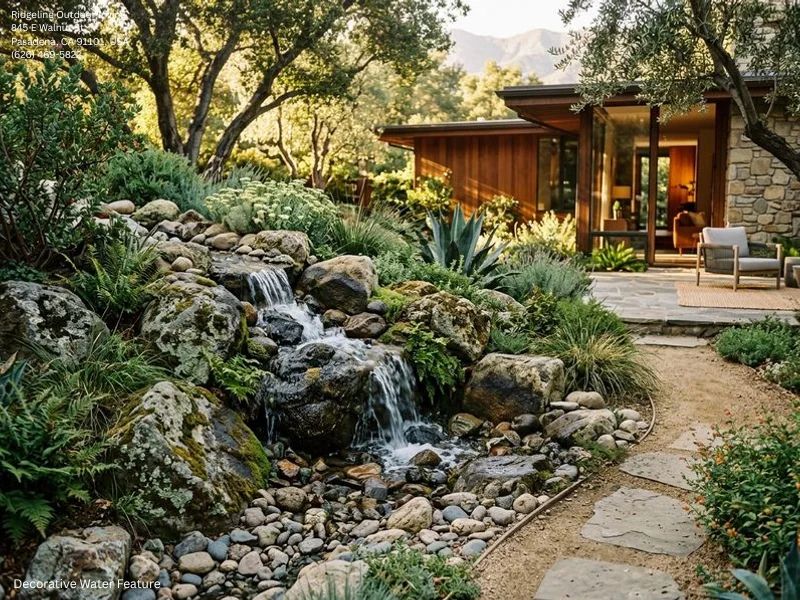
- Lowers flood risks with natural drainage and stormwater management featuresMaintains soil integrity through erosion control methodsPreserves ecosystem health by facilitating habitat connectivityNeutralizes carbon emissions via urban forestry and increased vegetation coverBoosts urban climate resilience against extreme weather impacts
By functioning as natural buffers and ecological stabilizers, urban landscapes significantly add to disaster preparedness and sustainable urban living.
The Impact of Urban Landscape Design on Mental Health and Wellness
Adding green spaces and wellness areas into urban design has shown psychological benefits. Access to nature within cities decreases stress, facilitates physical activity, and supports overall mental health.
Green education initiatives tied to green spaces cultivate enhanced awareness and relationship to the environment, moreover boosting mental health and community pride.
- Creates peaceful green spaces that minimize anxiety and boost moodSupports physical and social wellness through recreational and communal spacesEncourages environmental education enhancing sustainable behaviors
Thus, urban landscape design is crucial to developing stronger minds and communities in rapidly changing city settings.
How Urban Agriculture Is Incorporated in Urban Landscape Design
Urban agriculture incorporates food production within green infrastructure, promoting sustainability and food security. Community gardens and edible landscapes support local engagement while employing sustainable design principles.
This integration maintains ecological balance and delivers educational opportunities, relating residents directly to their environment and improving urban resilience.
- Establishes community gardens that offer fresh produce and social interactionIncorporates sustainable design for efficient water use and soil healthSupports local food systems supporting food securityUpgrades green infrastructure with multifunctional uses
Urban agriculture as a result enhances the urban landscape both ecologically and socially.
Case Studies Showcasing Successful Urban Landscape Projects
Around the world, numerous urban landscape projects show the significant potential of thoughtful design and construction. These initiatives highlight measurable environmental benefits, such as improved air quality and biodiversity, as well as increased community engagement and economic uplift.
Expert insights highlight how integrating sustainable design, cultural identity, and green infrastructure produces lasting positive impact in cities.
- Cases of urban renewal through comprehensive landscape architecturePositive cases demonstrating improvements in social interaction and safetyData-driven outcomes validating environmental and economic gains
Research-backed case studies serve as key models for future landscape innovation and policy development.
Future Trends in Urban Landscape Architecture
Rising trends in urban landscape architecture suggest smart city integration, leveraging technology to optimize green space management and sustainability. Innovations focus on climate adaptation, biophilic design, and ecological urbanism to tackle complex environmental challenges.
These progressions promise far more robust, efficient, and habitable urban areas in the future.
- Integration of sensors and data to track green infrastructure well-beingEmphasis on biophilic and ecological urbanism approachesConcentration on adaptable, climate-resilient design advancementsEnhanced incorporation of green corridors and habitat connectivity
Implementing these directions will help cities prosper during ongoing environmental and social developments.
Frequently Asked Questions (FAQ)
What is the difference between urban landscape design and general landscaping?
Urban landscape design focuses on blending green spaces and sustainable elements within crowded city environments, prioritizing ecological balance, social benefit, and infrastructure compatibility. In contrast, general landscaping often focuses on aesthetics and private or residential spaces.
How do urban green spaces affect local wildlife?
Urban green spaces create essential habitats, support biodiversity, and foster habitat connectivity, aiding the survival of urban wildlife populations within highly developed areas. They form vital refuges and corridors joining different ecosystems.
Can urban landscape design help reduce noise pollution?
Yes, vegetation such as trees and shrubs work as natural sound barriers, reducing noise pollution from traffic and construction, thereby boosting urban living conditions.
Is urban landscape design expensive to implement?
While initial investments may be notable, the long-term environmental, social, and economic benefits—including enhanced property values and reduced infrastructure costs—render a cost-effective solution.
How does urban landscape design support water conservation?
By using native plants, permeable surfaces, and natural drainage systems, urban landscape design reduces irrigation requirements and effectively manages stormwater, conserving precious water resources.
Conclusion
Urban landscape design and construction provide comprehensive benefits that influence every aspect of city life—from boosting environmental quality and mitigating heat islands to nurturing social connections, stimulating economies, and enhancing climate resilience. Embracing sustainable practices and innovative materials guarantees that urban landscapes continue to be vital, adaptive, and beautiful.
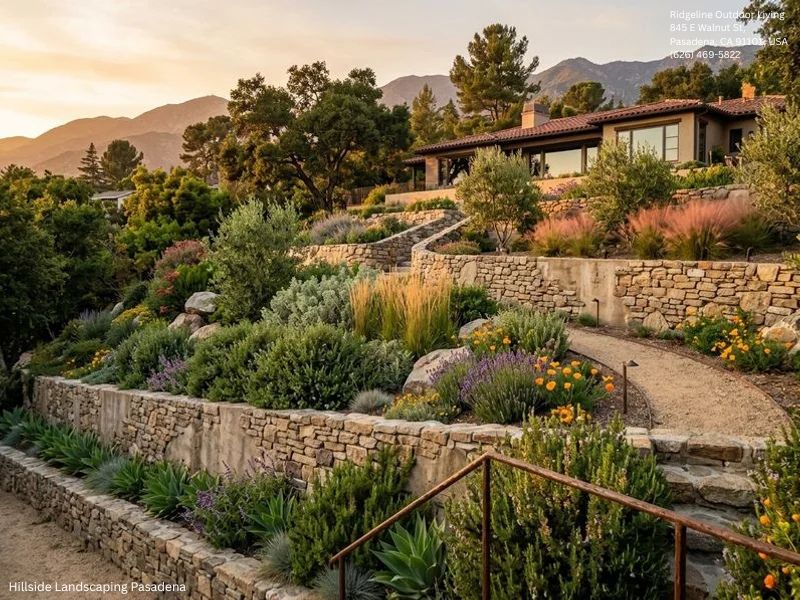
As cities grow in 2025 and beyond, focusing on thoughtful urban landscape architecture will be essential for shaping healthy, vibrant, and sustainable urban ecosystems that serve both people and the planet. Think about how these principles can be adopted in your community or projects to shape a greener, more resilient future.
Ridgeline Outdoor Living
Ridgeline Outdoor Living is a Pasadena-based landscape design-build company serving Greater Los Angeles with custom outdoor living, hardscape, and drought-tolerant landscape solutions. The company specializes in patios, retaining walls, outdoor kitchens, drainage, hillside projects, and turnkey landscape construction, handling projects from design and permitting through final build and warranty.
Address:
845 E Walnut St,
Pasadena,
CA
91101,
United States
Phone: (626) 469-5822
Map: View on Google Maps
Business Hours:
- Monday – Saturday: 8:00 AM – 6:00 PM
- Sunday: Closed
Follow Us: